



RGB LED TV
We dig deep into the latest TV tech
We dig deep into the latest TV tech
RGB MiniLED – Hisense and Philips, Micro RGB evo – LG, Micro RGB – Samsung, True RGB – Sony, RGB-Mini LED - TCL.
Exceptional colour accuracy
Because RGB LED systems generate red, green and blue light directly, they can reproduce a wider colour gamut with greater precision. This helps create more natural skin tones, richer landscapes and more realistic imagery.
High brightness performance
RGB LED televisions are capable of delivering very high brightness levels, helping HDR content appear more impactful while maintaining colour intensity. Bright highlights, reflections and sunlight effects become more visible and realistic.
Enhanced colour volume
Many displays lose colour saturation as brightness increases. RGB LED technology is designed to maintain vibrant colours even during bright scenes, creating a more consistent viewing experience.
Improved HDR experience
High Dynamic Range (HDR) content benefits from the combination of brightness, colour accuracy and contrast. This allows RGB LED TVs to reveal more detail in both dark and bright areas of the image.
Movie enthusiasts are always looking for picture quality that closely matches the creator’s original vision. RGB LED technology offers several advantages for cinematic viewing.
Compatible with Dolby imaging
RGB LED TVs make the perfect partner for Dolby’s brand new image processing – Dolby Vision 2 and Dolby Vision 2 Max. These powerful processors go beyond ordinary HDR in providing content intelligence for more lifelike colour, breathtaking detail and smoother motion.
Greater HDR impact
Modern movies are increasingly mastered in HDR formats. The high brightness output of RGB LED televisions allows dramatic highlights, explosions, sunsets and special effects to appear more realistic and engaging.
Improved detail
The combination of colour precision and advanced brightness control helps reveal fine details in shadows, highlights and complex scenes, enhancing the overall cinematic experience.
Richer colours
Films often rely on subtle colour grading to create mood and atmosphere. RGB LED’s expanded colour capabilities help reproduce these creative choices more faithfully.
Richer colours
Films often rely on subtle colour grading to create mood and atmosphere. RGB LED’s expanded colour capabilities help reproduce these creative choices more faithfully.
Sport places unique demands on a television. Fast movement, bright stadium lighting and large areas of vibrant colour all require excellent display performance.
Bright daytime viewing
Many sporting events are watched during the day in well-lit rooms. RGB LED’s high brightness helps maintain a clear, punchy image even when ambient light is present.
Vibrant team colours
Team kits, grass pitches and stadium environments appear more vivid and accurate thanks to the expanded colour performance of RGB LED technology.
Enhanced motion clarity
When combined with modern high refresh rate panels and advanced processing, RGB LED televisions can deliver smooth motion that helps viewers follow fast-moving action more easily.
Gaming demands responsiveness, visual quality and immersion. RGB LED technology is well suited to modern consoles and gaming PCs.
More immersive worlds
Games often feature highly detailed environments with dramatic lighting effects. RGB LED’s combination of colour accuracy and brightness helps bring these virtual worlds to life.
Enhanced HDR gaming
Many current-generation games are designed around HDR technology, including Dolby Vision and HDR10+ for gaming. Bright highlights, realistic lighting and detailed shadows can all benefit from RGB LED’s performance capabilities.
Future-ready performance
Many premium RGB LED televisions support advanced gaming features such as high refresh rates of 144Hz, 165Hz, 180Hz or more. They’re also often compatible with premium gaming tech such as AMD FreeSync Premium Pro and NVIDIA G-Sync for silky-smooth, tear-free gaming.
RGB LED technology represents an exciting development in television display design. By combining direct red, green and blue illumination with advanced display engineering, it aims to deliver brighter images, richer colours and a more immersive viewing experience.
For viewers seeking a premium TV that performs exceptionally well across movies, sport and gaming, RGB LED offers a compelling new option in the evolution of home entertainment.
View the full range here

Hisense 65UR9STUK
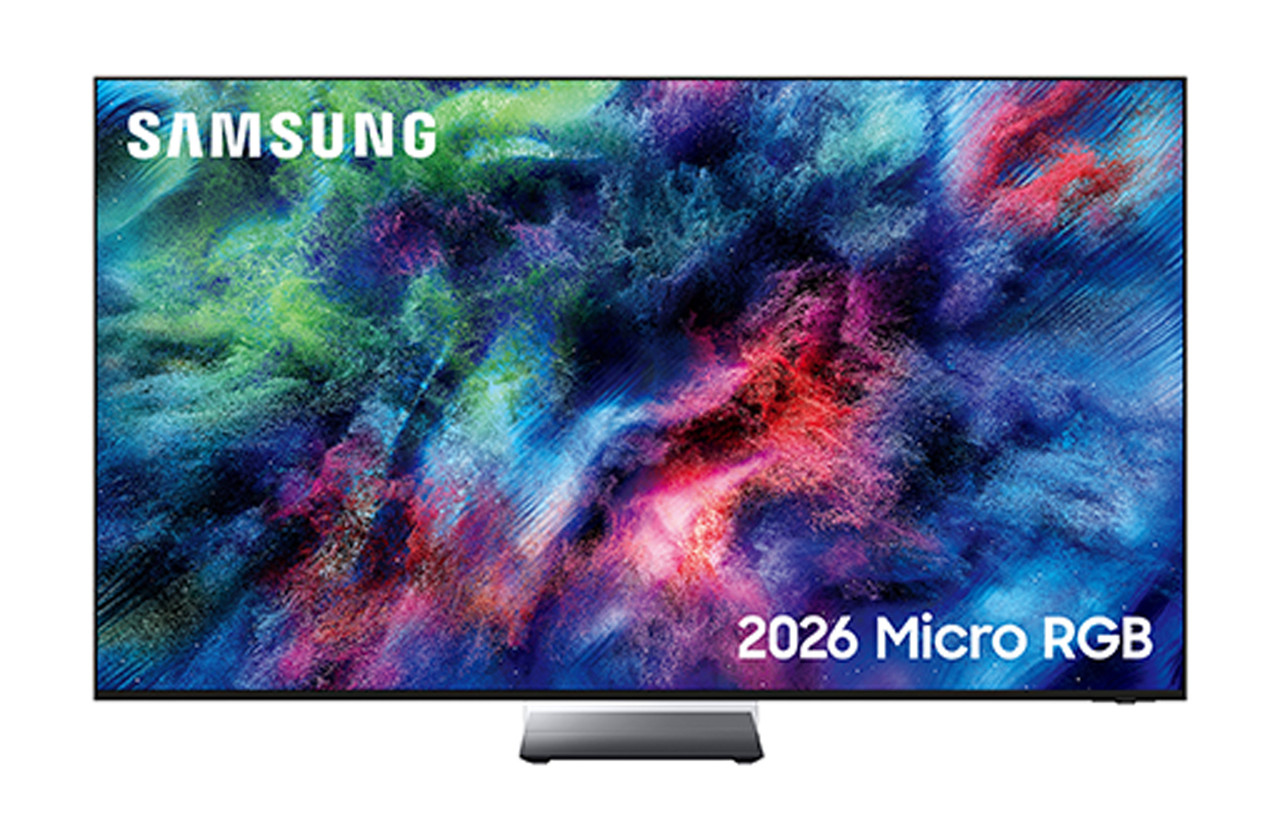
Samsung MRE65R95H
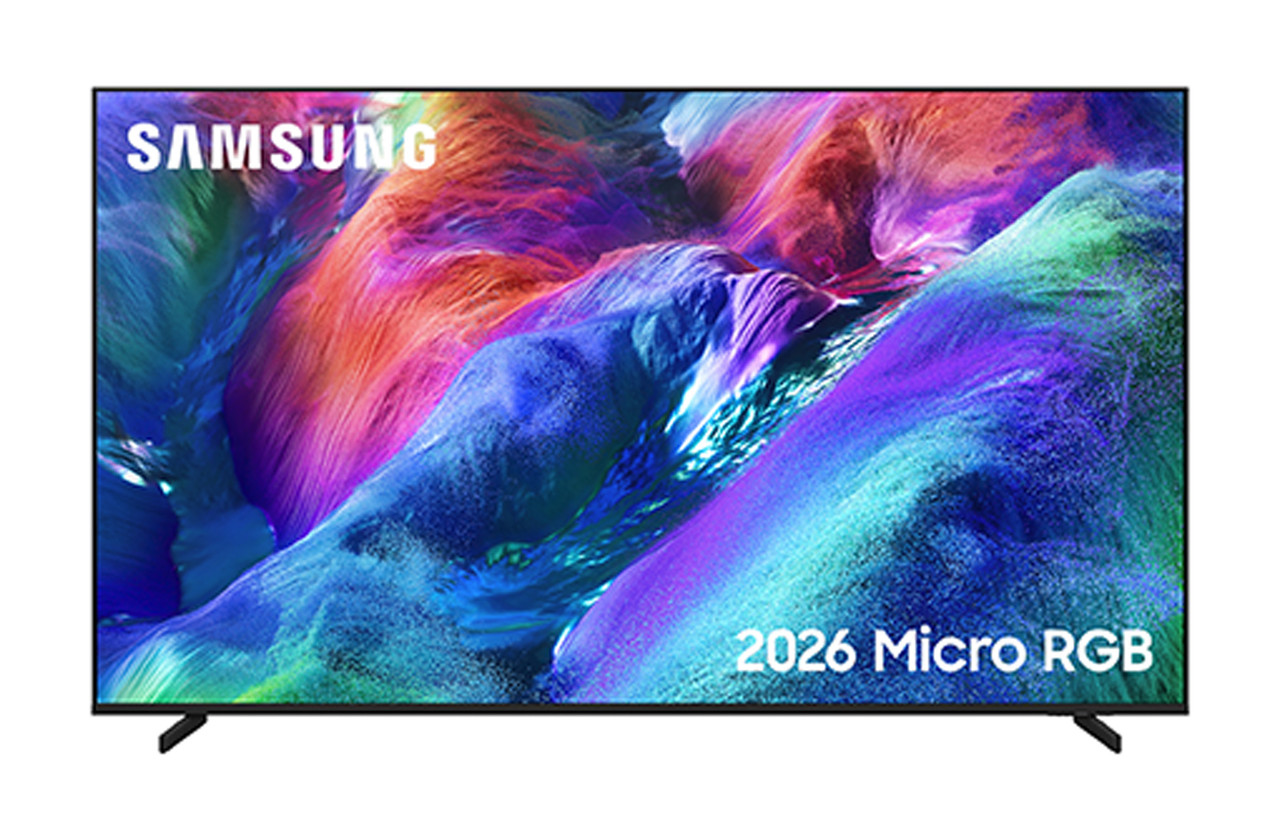
Samsung MRE75R85H
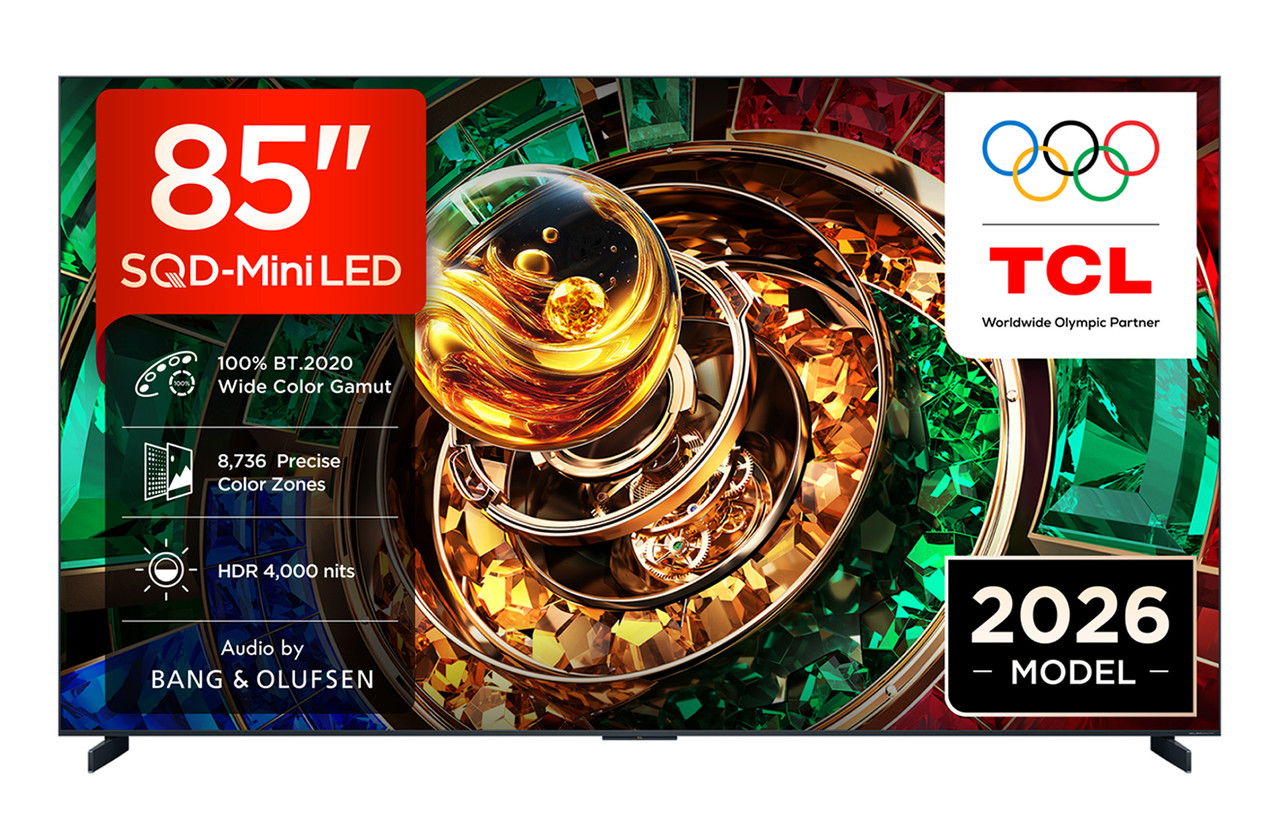
TCL 85RM9L-UK
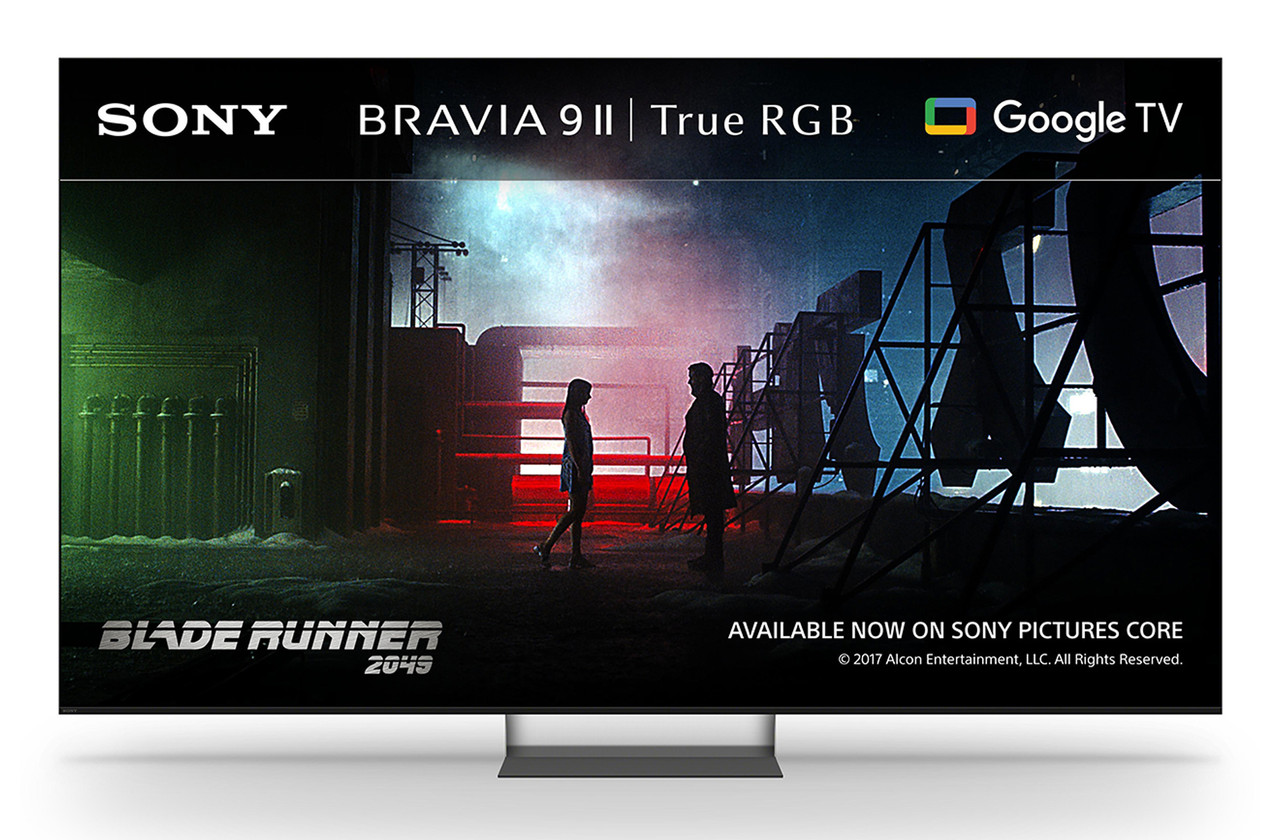
Sony BRAVIA 9 II K75XR95M2PB
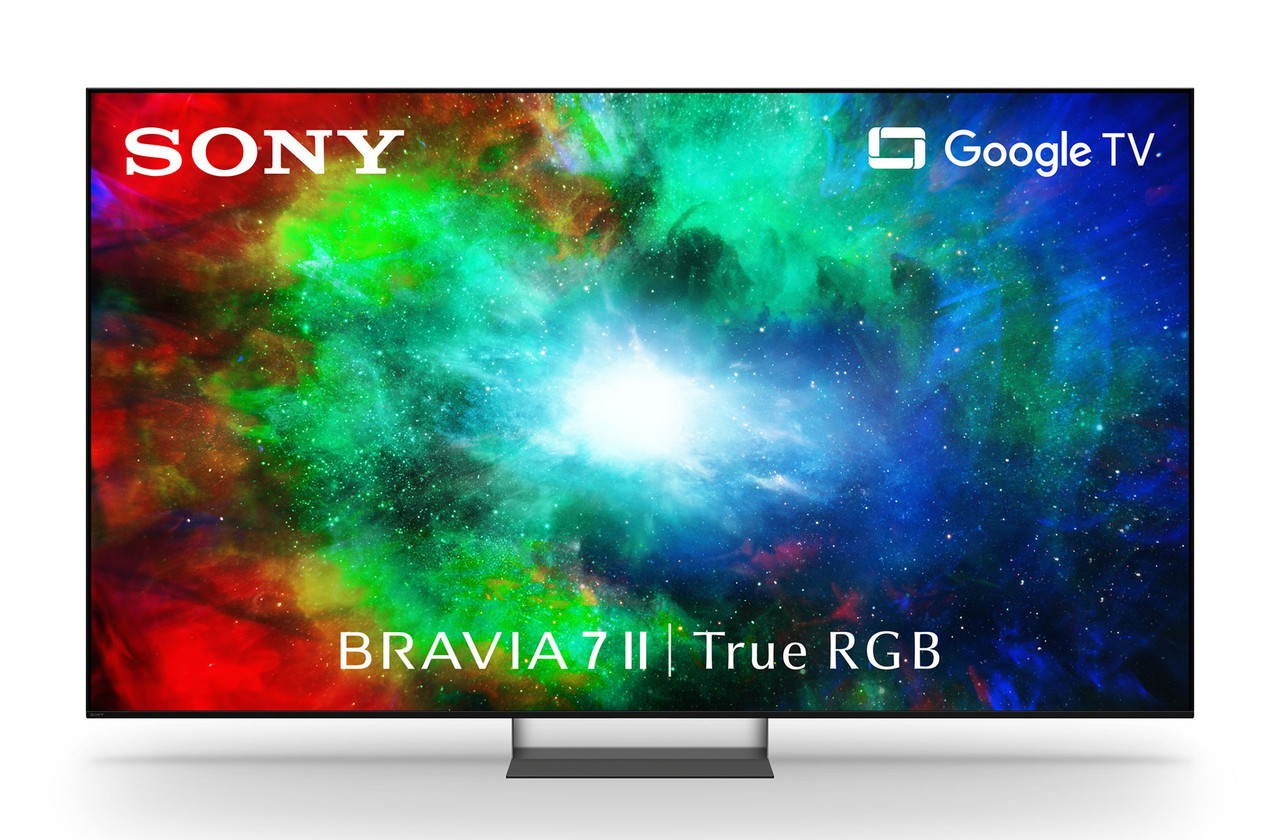
Sony BRAVIA 7 II K50XR75M2PB
Is RGB Mini LED better than OLED?
RGB LED technology represents an exciting development in television display design. By combining direct red, green and blue illumination with advanced display engineering, it aims to deliver brighter images, richer colours and a more immersive viewing experience.
For viewers seeking a premium TV that performs exceptionally well across movies, sport and gaming, RGB LED offers a compelling new option in the evolution of home entertainment.
What brands of RGB Mini LED are currently available?
2026 has seen a burgeoning of RGB Mini LED TVs, with six major players in the field and others coming soon. Hisense were early adoptees, with close rival TCL now offering an impressive range too. Samsung call their models ‘Micro RGB’ which is not to be confused with MicroLED TV (see below). Sony also use a variation on the name – True RGB LED. LG and Philips are the latest manufacturers to the RGB Mini LED party, with high-end models initially available.
Is RGB Mini LED good for gaming?
Often available with high refresh rates up to 165Hz, RGB Mini LED TVs make a great choice for gaming. Their high brightness and expansive colour complement game graphics, while the high number of dimming zones sharpens up the detail. The technology also delivers no burn-in risk, making it perfect for static gaming content.
Is RGB Mini LED the same as MicroLED?
No, MicroLED is an even more advanced TV tech that, like OLED, operates on an individual pixel illumination level. RGB Mini LED TV is like regular Mini LED TV in that it features backlit zones – the more zones the better the contrast and detail. MicroLED uses three tiny red, green and blue LEDs per pixel, making it highly complex and, at this stage, expensive for regular TVs.
Will RGB Mini LED replace Mini LED TVs?
Just as LEDs replaced fluorescent tube LCD TVs, there’s every chance that RGB Mini LED will, in time, replace Mini LED TVs. Although still a premium TV technology, 2026 has seen an explosion of more affordable RGB Mini LED TVs, cementing its place as a mainstay TV technology.