



We Have The Knowledge
Hi-Fi
What are separates and why should I have them?
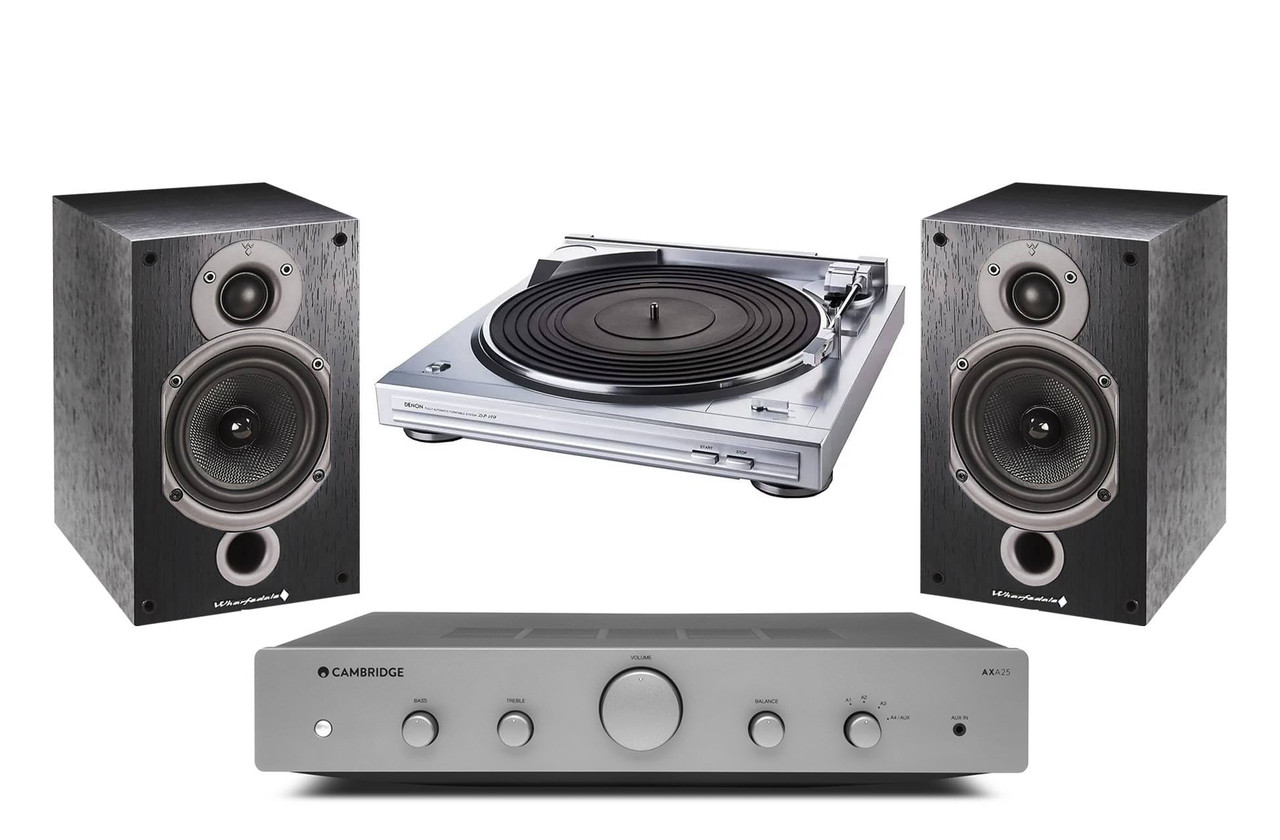
If you’re passionate about music, there’s no substitute for hi-fi separates. By focusing on a dedicated function, each separate optimises sound quality, giving you the very best results for any given budget. Choosing a separates system lets you tailor the hi-fi to precisely your needs. If you don’t play CDs, for example, there’s no need for a CD player, saving you money.
Amplifier – the heart of a separates system
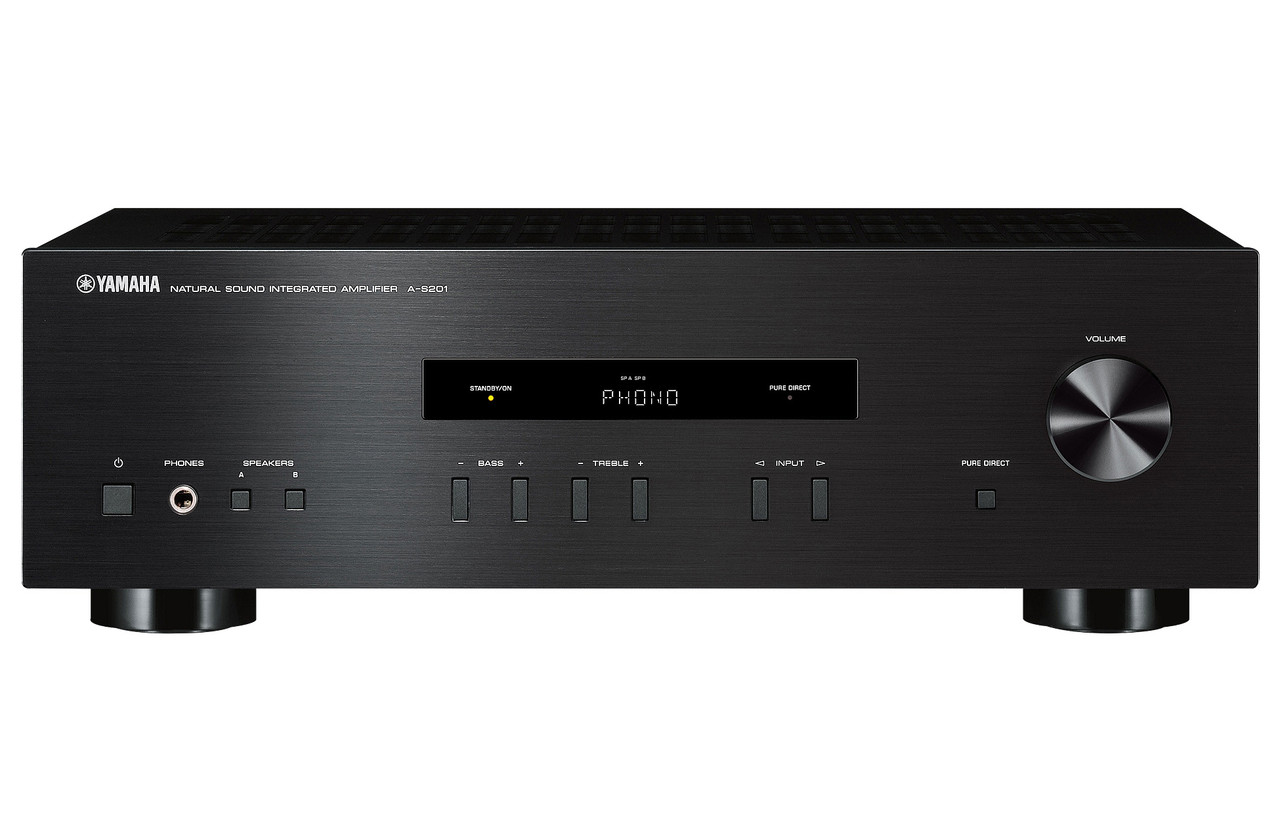
The amplifier (aka amp) is both the brains and the muscles behind the operation. An amp is formed of two sections – pre and power – that are usually combined together to make what’s known as an integrated amp. A good amp or receiver will draw maximum detail from your sources and deliver the signal more powerfully and precisely to speakers than any mini system or one-box solution. (A receiver is simply an amp with a radio tuner built in.)
Pre / power amp split
Although integrated amps are a step up from mini systems, if you can accommodate a separate pre / power combination, they’re well worth considering. By separating each section of the amp, they can be individually optimised. The pre-amp is free from electrical interference, heat and vibrations from the power amp, ensuring that the delicate electronics can perform at their best. The power amp, meanwhile, has an entire case to itself, optimising transformer size and airflow cooling. The end result is that pre / power amps tend to offer greater dynamic headroom and power, with less distortion and more detail.
Amps for all occasions
Gone are the days when a separate amplifier meant having to accommodate a hefty lump of metal. When space is tight, such as on a desktop or bookshelf, there are now a wider range than ever of super-compact micro amps. With a footprint that’s often around the size of a premium smartphone, these are perfect for boosting smaller systems. Check out Fosi Audio’s range of desktop amps for size. Next up are mini-sized amps. Available from brands such as Pro-Ject, WiiM, Tangent and Argon Audio these deliver true hi-fi sound quality from a mini system-sized footprint. For the ultimate in sound quality, a full-size amp is still usually the one to pick. These not only offer the potential for the most power and most efficient cooling, but they also fit best with other ‘regular’ hi-fi separates.
How much power do I need?
There’s no definitive answer to how much power an amp needs, but there are technical factors that can make it easier to narrow down the shortlist. First, consider how efficient your speakers are. Speakers with a sensitivity above 90dB need far less power than ones rated at below 85dB. If you have a low powered amp with 10 – 20 watts power output, it’s therefore necessary to pair with highly efficient (+90dB) speakers. The next consideration is room size. Unsurprisingly, the larger the space you have to fill, the more power your amp will need to draw on. In a smaller room, around 30 – 40 watts is usually more than adequate, with the largest spaces able to justify a 100+ watts amp. Finally, the type of music you’re likely to play is a worthwhile consideration. If your favourite vibe is acoustic and vocal, a lower powered amp is fine, with heavy metal, rock, dance and full scale classical best served by a more powerful amp.
What is the amplifier ‘Class’ rating and how does it affect the sound?
When looking at amps, you might have come across terms such as ‘Class A/B’ and ‘Class D’ and wondered what it meant. Essentially, the amplifier class relates to how the amp operates. The most popular type of amp is Class A/B which, as you might have gathered, is a combination of Class A and Class B. Let’s look at those first. Class A amplifiers feature transistors or valves, with the key point being they are permanently ‘on’. This delivers seamless sound but has the downside of producing lots of heat and, as such, they tend to be lower powered. By contrast, Class B amplifiers use two complementary transistors which switch between the +/- music signal wave. The upside is supreme efficiency and cool running, but the downside is that the audio can sound ‘harsh’ or ‘grainy’ if not perfectly implemented. Class A/B amps combine these methods, with a period of transistor crossover switching to smooth the sound.
All of the above types of amps still work in the analogue domain. Class D, however, is different in that it features digital technology. Utilising PWM (Pulse Width Modulation) it digitally converts the input signal into pulses. This system generates far less heat, meaning that amps can be physically smaller and/or much more powerful for any given size or cost.
Add the sources you need
Being able to add precisely the sources you need makes hi-fi separates highly cost effective. For example, if you’re only ever going to stream music, an amp with built-in streaming or a separate music streamer will be all you need. Why pay for a system with a built-in CD player and DAB radio if you’re never going to use them? On the other hand, if you decide you want to cover every single source from TV to turntable, a separates system is happy to oblige, with turntables, digital and analogue tuners, CD players, network streamers and even cassette tape decks and more all available to link up. You can even add none-dedicated music sources, such as a TV, set-top TV box, games console and home computer.
What are the other benefits of buying separates
Other advantages with separates include being able to upgrade as and when funds allow and also being able to add new technology when it comes along. With hi-fi separates being in stronger demand on the secondhand market, it’s often the case that a separate upgrade proves relatively cost effective – especially when compared with starting again with an entirely new system. It’s also easy to add new tech so when, for example, the curiosity of vinyl proves too much, it’s easy to just add a turntable (and possibly a separate phono pre-amp).
Sources
A selection of the typical sources you're likely to find in most hi-fi systems…
Turntable
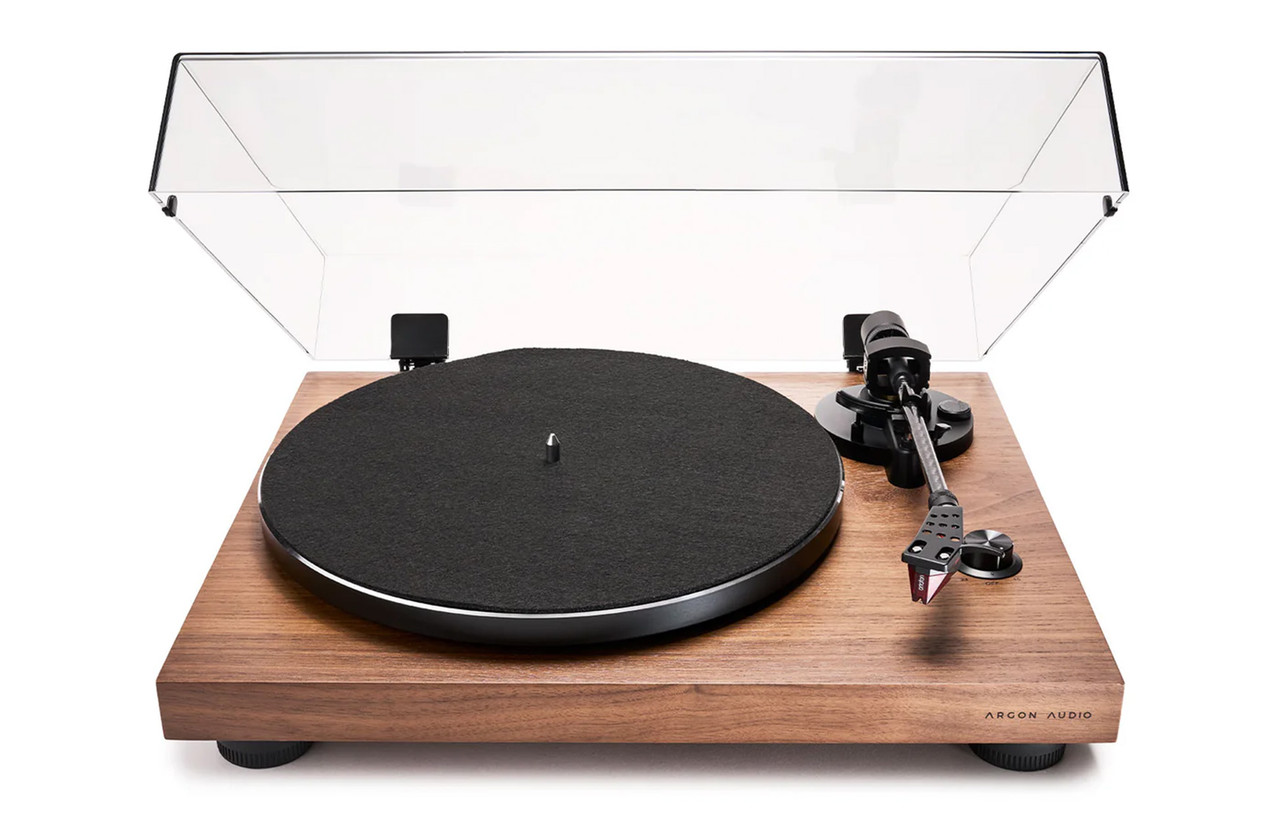
Much like amplifiers, turntables are an investment that will last for years, and we recommend buying the best you can afford. The core principle of a turntable is that the more substantial the build quality the better the sound will be. There’s also more than meets the eye with turntables. Though they may appear simple, there have been a lot of advances in turntable technology over the years, including carbon fibre components and Bluetooth connectivity, which our colleagues will more than happily walk you through. Here’s a run through of what to look for when buying a turntable.
Belt drive or direct drive?
The drive system is fundamental to how a turntable performs, with important pros and cons for each system. Most domestic turntables use a belt drive mechanism as it naturally absorbs the motor’s vibrations, leading to a smoother, less distorted sound. The downside is that it can be slow to spin up to speed, which is why DJs and studios often prefer direct drive turntables. Basic direct drive decks feature a geared cog system, which can transmit vibrations, making them less suitable for domestic use. Premium direct drive decks, however, use an electromagnetic system which offers the best of all worlds, although they are pricey to manufacture.
Plinth – the basis of all turntables
The main section of a turntable is known as the plinth. This can be fixed or suspended, with the construction having a marked effect on the sound quality. Fixed, or rigid plinths are cost effective but can transmit vibrations from the motor or footfall in the room to the delicate cartridge and tonearm. Highly absorbent feet are a must with this type of turntable, as is a rigid support. Suspended turntables feature a system of springs between the top plinth and base and are better at isolating the cartridge from vibrations. The downside is that they can be more difficult to cue up as the tonearm may ‘wobble’ when moved.
Platters matter
The next most important element of any turntable is the platter. This is the disc that sits beneath the record, and its construction has a noticeable effect on the resultant sound. Light and rigid aluminium is a popular material and makes a good upgrade on plastic. Glass and acrylic are popular, too, each putting their own sonic signature on the final sound. Multi-material sandwich construction combines the benefits of different materials for the widest range of damping. For the best interface with the record, some platters use a similar vinyl surface.
Tonearm
Acting as a crucial ‘bridge’ between plinth and cartridge, the tonearm’s task is to track the record as smoothly as possible. For the best results, the arm section should be as rigid and light as possible. Aluminium is well suited to the task, but do also look out for carbon fibre, which has become a popular alternative. Whatever the tonearm material, it’s worth looking for a tonearm with plenty of adjustment. Adjustable weight and anti-skating are the minimum you really need, as this lets you upgrade the cartridge for a different spec model. Incidentally, if you’re wondering what anti-skating is, it’s a tonearm resistance that prevents the tonearm from ‘skating’ straight to the record’s centre. Other handy tonearm adjustments include VTA (Vertical Tracking Angle) for height and azimuth for the correct cartridge alignment.
Cartridge
The final part of any turntable is the cartridge and it’s usually the first part we’d recommend to upgrade. Cartridges split into two types; Moving Magnet (MM) and Moving Coil (MC). MM cartridges are the most popular and are widely compatible with most phono pre-amps (see phono pre-amp section). MC cartridges are usually more refined-sounding but are often costlier, too. As the output from an MC cartridge is lower than a typical MM, a special MC pre-amp input is required. With both MM and MC cartridges, the quality of sound is largely affected by the quality of diamond. With many MM cartridges, you can upgrade the stylus with higher quality diamond styli. These get deeper into the groove for more detailed sound.
Phono pre-amp
The sound output from a turntable is far weaker than from a line level one (such as a CD player or streamer). For this reason you need an extra amplifier in the chain. This is known as a phono pre-amp – think of it as a signal booster. It can be fitted within the turntable itself, the main amplifier or, if not present in either of these, separate phono pre-amps are available. If you’re using an MC cartridge, just check that this is compatible, as many phono pre-amps are MM only.
USB turntable
A growing number of turntables are now fitted with a USB interface. This lets you connect straight to your home computer or laptop and, by using third party software, archive your vinyl to the digital domain. From here, it’s easy to download to MP3 files for portable use. A handy aside to remember is that any turntable with a USB interface also has a phono pre-amp built in (see above).
Bluetooth and wi-fi connectivity
The growing number of Bluetooth speakers has meant that turntable manufacturers have responded with Bluetooth output-equipped turntables. If your Bluetooth speaker, or even a Bluetooth-equipped hi-fi, is at the other end of your room, this wireless connection makes sense – especially as Bluetooth’s sound quality has greatly improved over recent years. More unusual but steadily growing in popularity, wi-fi equipped turntables join your network and allow you to play vinyl all around your home. If you use Sonos, or other multiroom system, you’ll find this is a great way to play vinyl in any room, from a single source.
Network Music Player / Streamer
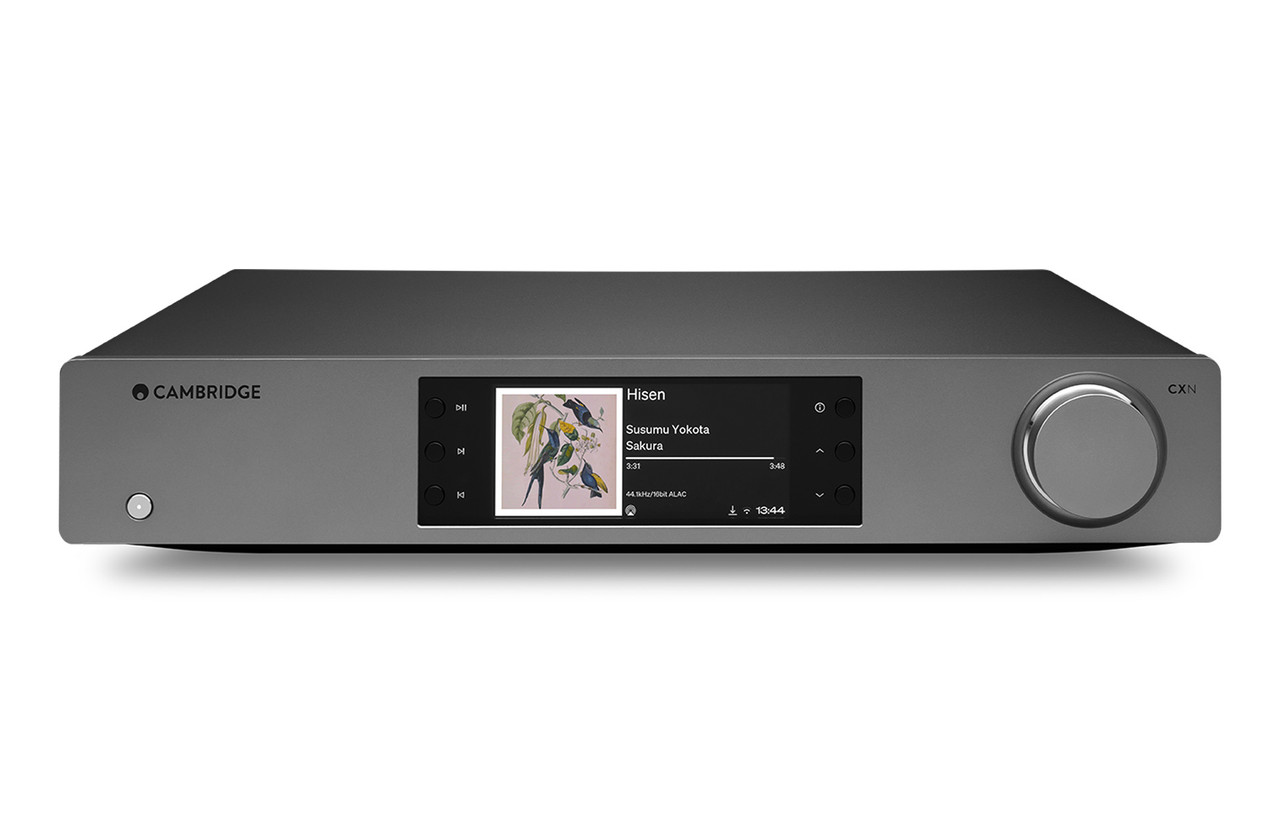
At its simplest, a network music player is a device that connects your hi-fi to digital music on the internet, your computer or network hard drive. They offer access to music streaming services such as Spotify, Apple Music, Deezer, Qobuz and Tidal, as well as thousands of internet radio stations from all over the world. Many units can play Hi-Res Audio files which deliver stunning depth and clarity. Like CD players, they differ in quality, with better models giving your digital music a big boost in clarity.
Wi-fi streaming is just the beginning for most network music streamers. As well as music app-based streaming services, many network music streamers also work with ecosystems such as AirPlay 2, Google Cast and Roon, letting you seamlessly connect to a wider choice of devices. You’ll also often find Bluetooth, giving you a quick and easy way to stream music directly from your smartphone or tablet.
CD Player
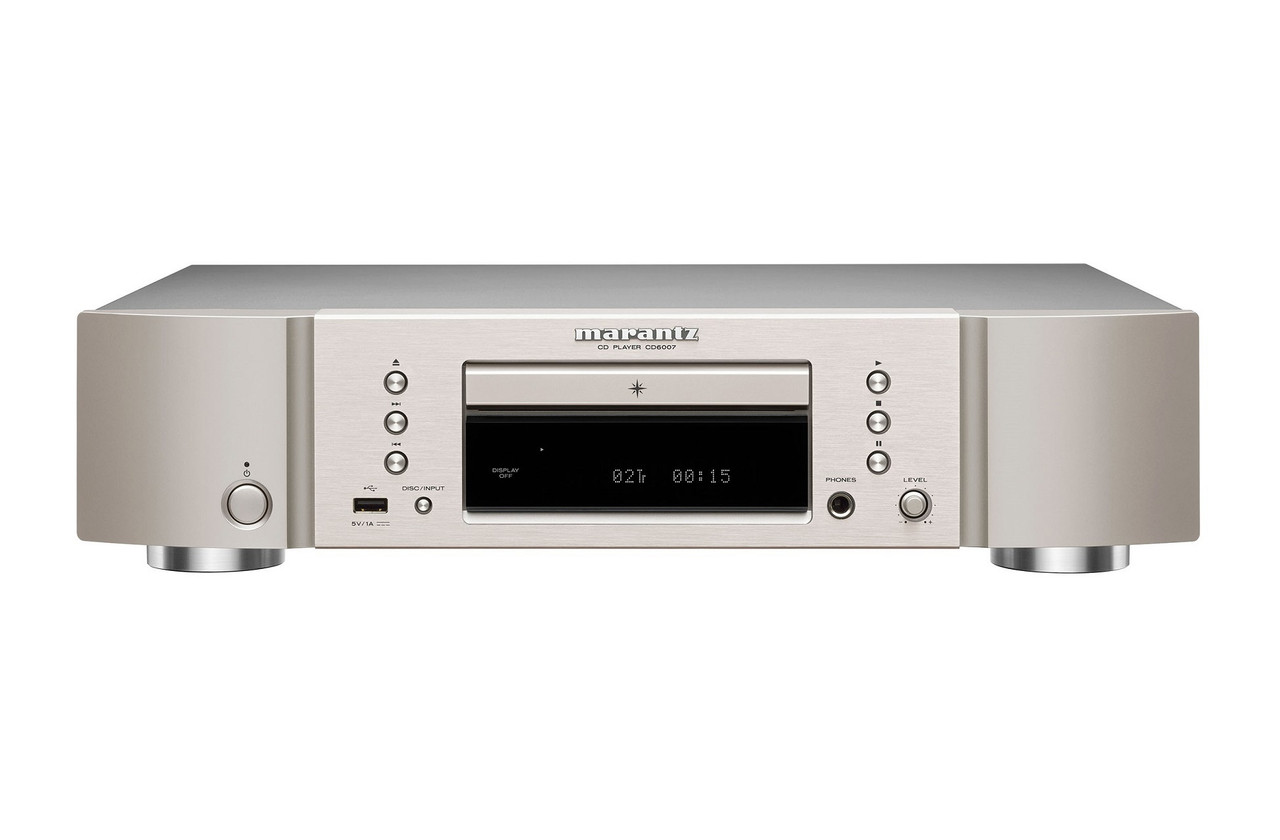
CD players range in price from tens to thousands of pounds. You’d be forgiven for thinking they all do the same job, but as well as better build quality, high-end players incorporate more sophisticated DACs (Digital to Analogue Converters) and transport mechanisms. These do a better job of interpreting the information on the disc into an engaging musical performance, from the first note to the final chord.
CD transport
CD transports have become increasingly popular over the past few years, and for good reason. A CD transport is essentially a CD player, without the built-in DAC. If your existing amp has digital inputs then it already has a DAC, so you don’t need one in the CD player too. Save money towards other components and go DAC-less CD with a CD transport.
DACs
DAC stands for Digital to Analogue Converter and is a crucial part of any digital audio system. Nearly every digital device, from a TV to music streamer has a DAC built in, with the telltale sign being an analogue output, such as a headphone socket. Although a DAC’s job appears simple, turning a digital signal into an analogue one, not all DACs are made equal. There’s a huge variation in the sonic precision, dynamic range and noise, making premium DACs noticeably superior. If your TV, CD, streamer or other device has a digital output, it’s well worth considering investing in a dedicated DAC, which could also act as the hub of your digital system, as well as improving the sound quality.
Tuner radio – FM and Digital
Somewhat eclipsed by network streamers these days, it’s easy to make a strong case for adding a separate tuner radio. If you’re a fan of Classical music, BBC Radio 3 transmitted over analogue FM is still hard to beat. Provided you have a suitable outdoor FM aerial, the sound quality is exceptional – warm yet lifelike, with impressive depth and vocal realism. With the advent of DAB+, digital radio’s sound quality has improved greatly of late. DAB gives you a wider than ever range of stations, with the benefit of not having to rely on a wi-fi or Internet connection, making it a more reliable source in some situations.
Cassette tape
Making a relatively recent comeback, cassette tape joins vinyl in the analogue resurgence. Cassettes can be played by separate or portable devices and, of course, can be used in older car audio systems. Most separate cassette decks feature twin decks for tape-to-tape recording, or even a cassette deck paired with a CD player. A top tip for more music and less hiss, is to look for a deck with some form of noise reduction.
Related products
View the full range here

How do I know I'm getting the most from my hi-fi?
There are all sorts of little tips and tricks that'll make sure you get the best out of your hi-fi, many of which take very little time. Here are a few tips to get the best from your separates.
Why cables matter
Good quality interconnect cables can make all the difference to a system’s sound, with experts advising budgeting around 10% of your system cost on these. Premium cables don’t ‘add’ anything to your system, but what they do is reduce signal loss to the minimum level, ensuring that you hear the most detail from your music possible. With speaker cables, a top tip is to keep the cables to left and right channels the same length, thereby negating the chance of any channel imbalance.
Are there any other accessories worth considering?
The short answer is, ‘yes’, it’s worth looking at how you power your system. Avoid overloading mains blocks and be wary of anything with heavy mains filtering as this can harm the sound quality. Having said that, more sophisticated mains conditioning can make a noticeable difference to the sound.
As What Hi-Fi? magazine says, “don’t expect to get the very best out of the lovely, expensive hi-fi equipment you’ve bought if you don’t pay equal attention to the quality of the mains supply it has to work with.” A mains conditioner ensures that electrical interference is significantly reduced. This is of particular benefit with sensitive, high-power devices such as your amplifier.
For all these reasons and more, hi-fi separates remain the best choice for music lovers. Whether you know what you're after or not, our sales colleagues are always happy to talk hi-fi, so pop down today.
Shop our full range of hi-fi here.
If you would like to try some separates out before you buy, get in touch with your local Richer Sounds store who will be happy to help.